The founding of TAHITI FADWATCH
Registered on 19 November 2025, TAHITI FADWATCH is a Polynesian association dedicated to reducing the impacts of drifting fish aggregating devices (dFADs). It has set itself four missions: to raise awareness, monitor, recover and recycle.
We refuse to get used to it.
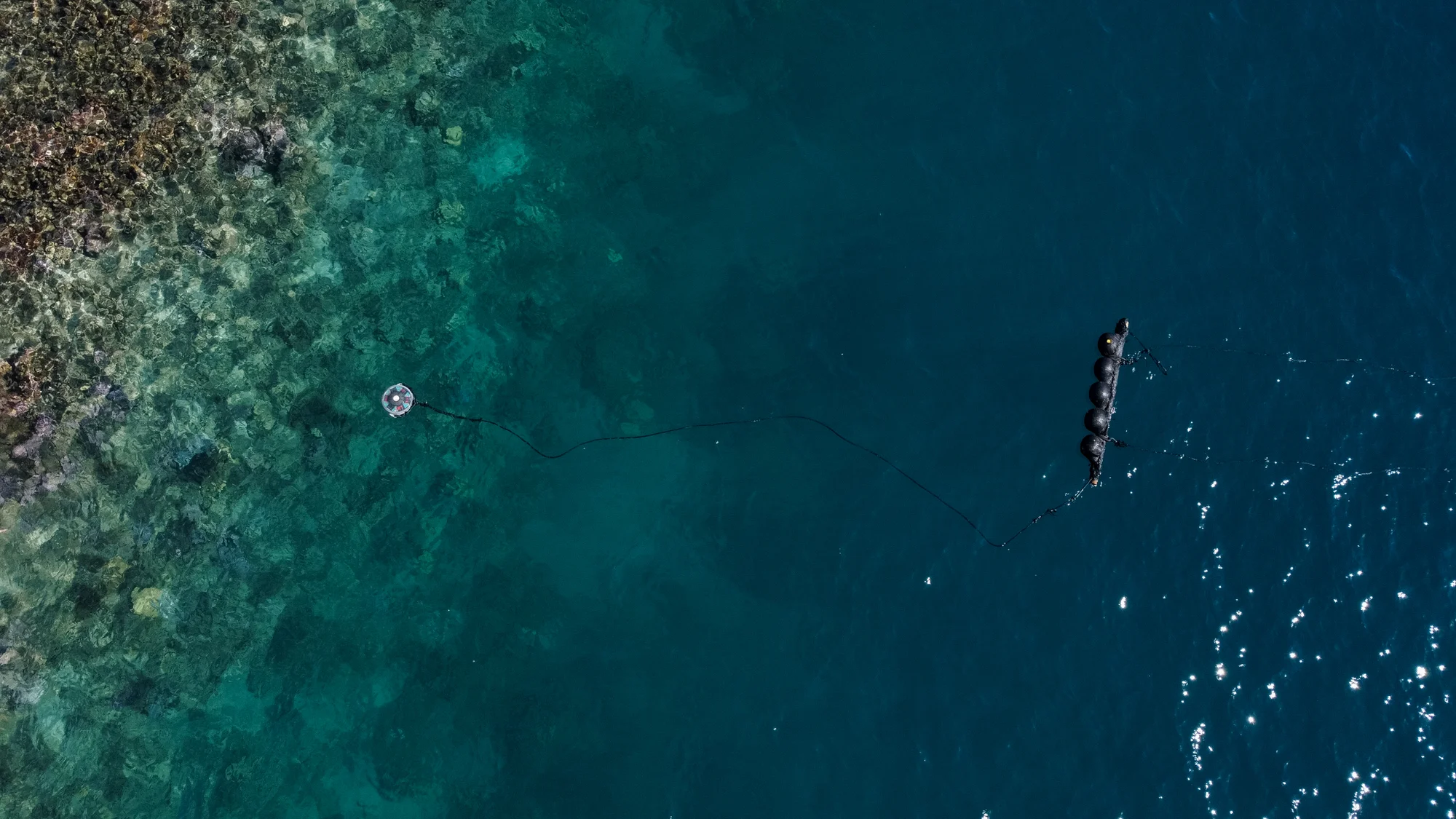
Every year, close to 60,000 drifting FADs are deployed in the Pacific. Barely 10% are collected. The rest keep drifting, sometimes for months, carried by the currents. Some end up stranded on our beaches or our reefs, where they become waste, traps for wildlife and a lasting threat to our ecosystems.
A dFAD, or drifting fish aggregating device, is a raft of bamboo and netting that tuna purse seiners deploy to attract fish. It is tracked by satellite beacon. Even so, its journey sometimes continues beyond the international fishing zones.
TAHITI FADWATCH was born of this observation.
We are not starting from scratch. French Polynesia's Marine Resources Directorate (Direction des ressources marines, DRM) has been working on dFAD strandings since 2019. The Pacific Community (SPC) maintains a regional database of strandings and supports Pacific countries in this area. And across the Pacific, a drive to collect drifting FADs at sea is taking shape. We want to play a full part in it.
Our ambition is to become the operational relay for this effort in French Polynesia, building on existing schemes and local players.
Our work is organised around four missions.
Raise awareness, first. Explaining where dFADs come from, why they reach our shores and what they cause there is the first condition for everyone to be able to act with full understanding.
Monitor, next, because it is possible to act before stranding. Tracking the dFADs drifting towards our archipelagos and reporting them to the DRM means shifting from reacting to anticipating.
Recover, together with those who live and work in the islands: fishers, associations, volunteers.
Recycle, finally. Netting, bamboo, floats and beacons could go into recycling and reuse streams rather than remain on a reef.
One point matters to us. French Polynesia does not plan to develop a fishery based on drifting FADs. We want to help preserve a clear distinction between the devices intended for fishing in Polynesian waters and the drifting FADs that enter them.
Our exclusive economic zone is not an abstraction. It is our territory, our natural heritage and an essential part of our future. And because we cannot monitor so vast an ocean alone, we need everyone.
A dFAD sighted. A position given. A photograph. A stranding reported. Every report can help to anticipate, and every citizen can become a link in this monitoring chain.
Master the drift to better protect the ocean: that is the meaning of our commitment.
Illustrations